Investors have had a whiplash two years. Stocks slumped in early 2025 as President Donald Trump's tariffs raised fears of recession and inflation, then recovered to record highs on a wave of spending on artificial intelligence. Trump publicly attacked Federal Reserve Chair Jerome Powell for not cutting interest rates, then replaced him. And bitcoin hit a record above $126,000 before giving back much of its gain.
Where things stand (mid-October 2026)
- Stocks: The S&P 500 set a record above 7,800 in early October 2026, then slipped as worries about an AI bubble hit technology shares (TheStreet).
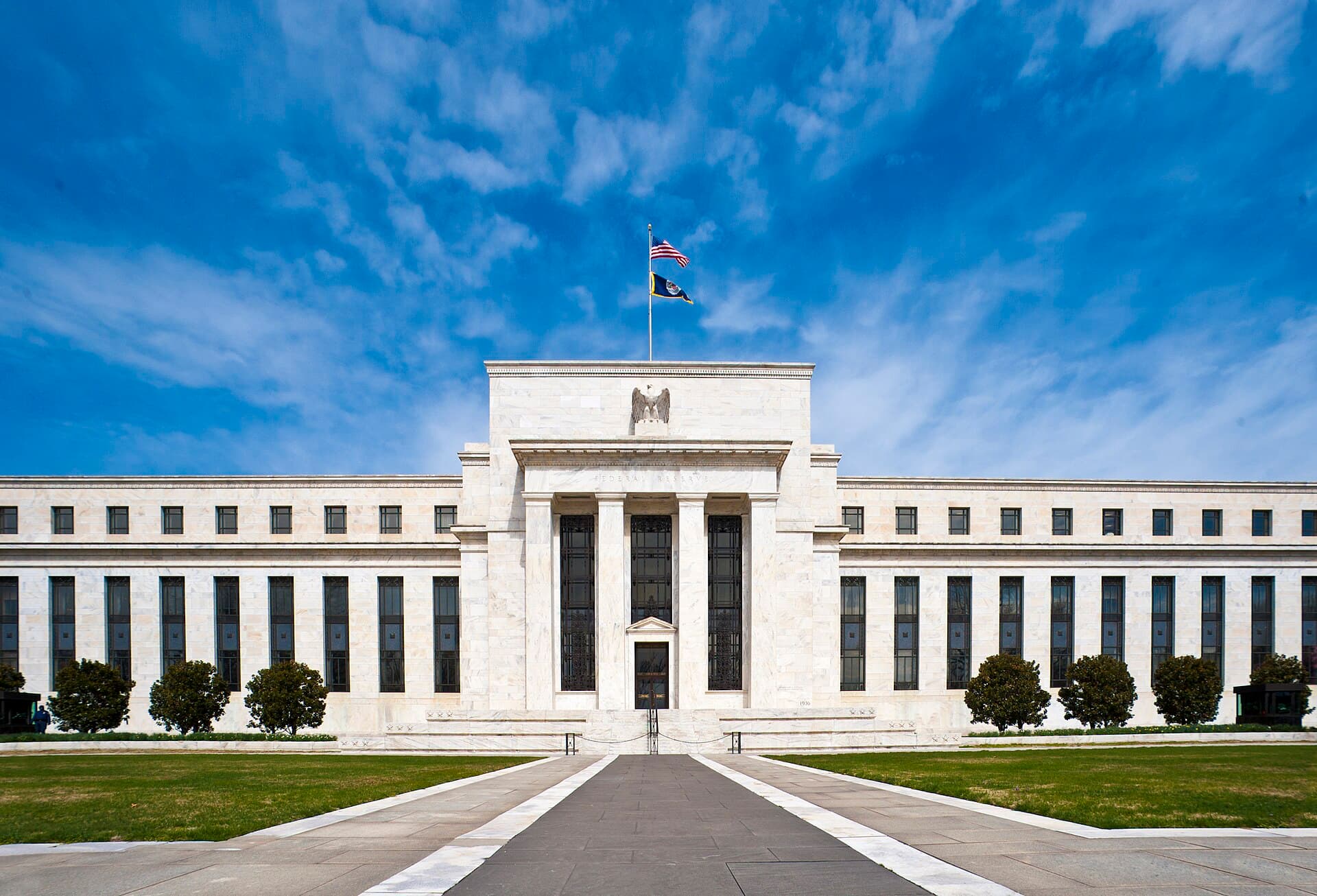
- The Fed: Kevin Warsh became chair in May 2026. In September the Fed raised its benchmark rate by a quarter point, to a range of 3.75% to 4% (Federal Reserve).
- Bitcoin: Around $81,000, about a third below its October 2025 record (CoinDesk).
Timeline
March 2025 — Wall Street's worst quarter since 2022
The S&P 500 fell 4.6% in the first three months of 2025, its weakest quarter since 2022, as investors worried that Trump's tariffs could cause "stagflation" — slow growth combined with rising prices. Meanwhile, traditional financial firms moved deeper into crypto: Fidelity Investments was reported to be testing its own stablecoin, a digital token pegged to the dollar.
April 2025 — Tariff shock and "Mr. Too Late"
Stocks plunged after Trump's "Liberation Day" tariff announcement on April 2, then rebounded when he paused most of them a week later (see our tariffs timeline). On April 21, Trump called Powell "Mr. Too Late" and demanded immediate rate cuts; the S&P 500 fell 2.4% and the dollar slid as investors worried about the Fed's independence. That month, Charles Schwab's new CEO, Rick Wurster, said client interest in crypto had surged and that the firm planned to offer direct trading in bitcoin and ether.
July 2025 — A law for stablecoins
Trump signed the GENIUS Act, the first federal law regulating stablecoins, requiring issuers to back their tokens with cash, short-term Treasury bills and similar safe assets.
October 2025 — Bitcoin's peak
On Oct. 1, JPMorgan analysts said bitcoin was undervalued compared with gold and could reach about $165,000 by year's end. It hit a record of about $126,000 on Oct. 6 — and then fell sharply over the following weeks. In November, ARK Invest's Cathie Wood reiterated her long-term forecast that bitcoin could reach $1 million or more, pointing to the growth of stablecoins.
December 2025 — Optimism for 2026
Major Wall Street banks forecast that the S&P 500 would rise to around 7,500 or higher by the end of 2026, even as some investors worried that Big Tech's massive spending on AI data centers had created a bubble.
January 2026 — Fidelity's digital dollar
Fidelity launched its stablecoin, the Fidelity Digital Dollar, issued through a national trust bank that had received conditional approval from federal regulators (Loeb & Loeb).
May 2026 — A new Fed chair
The Senate confirmed Kevin Warsh, a former Fed governor chosen by Trump, as chair by a 54–45 vote (CNBC). Powell's term as chair ended in May, but he chose to remain on the Fed's board of governors (NPR).
September 2026 — A rate increase
Despite Trump's calls for lower borrowing costs, the Fed under Warsh raised rates by a quarter point at its Sept. 15–16 meeting, to a range of 3.75% to 4%.
October 2026 — Record, then wobble
The S&P 500 climbed to a new high in early October before falling back amid worries about stretched valuations for AI companies. Bitcoin traded around $81,000 in mid-October as investors pulled money from bitcoin exchange-traded funds.
Sources
- Federal Reserve, Minutes of the Federal Open Market Committee, Sept. 15–16, 2026
- CNBC, Kevin Warsh wins Senate confirmation as the next Federal Reserve chair (May 13, 2026)
- TheStreet, Stock market today, Oct. 16, 2026
- CoinDesk, Live updates: bitcoin markets, Oct. 16, 2026