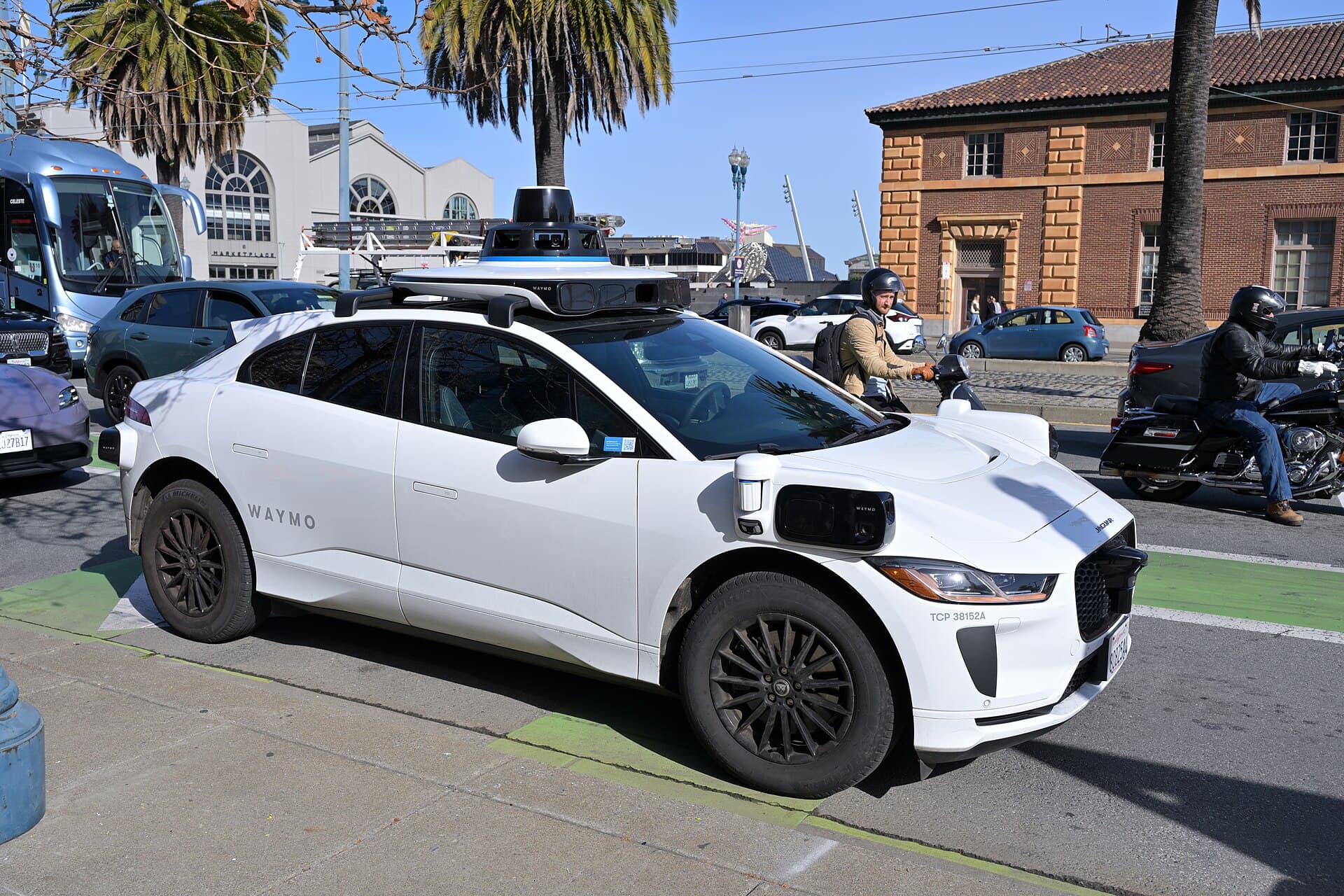
In the early hours of a Saturday in fall 2025, officers running a DUI checkpoint in San Bruno, California, watched a car make an illegal U-turn right in front of them. When they pulled it over, they found it was a Waymo robotaxi with no one inside. "That's right… no driver, no hands, no clue," the department joked on social media, adding that its "citation books don't have a box for 'robot.'"
The officers couldn't write a ticket. They contacted Waymo instead, and the company said it was looking into the incident.
Why police couldn't ticket it
Under California law at the time, moving violations like an illegal U-turn could only be issued to a human driver. Parking tickets go to a vehicle, but a robotaxi making an illegal turn had no one to cite.
What changed in July 2026
A state law, AB 1777, took effect on July 1, 2026, along with new rules from the California Department of Motor Vehicles (Fox LA; Piedmont Exedra):
- A "notice of AV noncompliance." Police can now issue a notice to the company that operates a driverless car when it breaks traffic laws.
- Reporting to the state. The company must report the notice to the DMV, which reviews the incident, investigates if needed and decides what fixes are required.
- Escalating consequences. If a company can't fix a problem, or violations keep happening, the DMV can restrict or suspend its permit to operate. The law does not set specific fines.
- First responders. Companies must provide a 24-hour hotline for police and firefighters and equip their vehicles for two-way communication, so officers can tell a robotaxi to move out of an emergency scene.
Why it matters
Robotaxis from Waymo and others now carry paying passengers in several California cities, and the number of driverless miles is growing quickly. The new system treats traffic violations as problems for the company to fix in its software, rather than as tickets for an individual — a model other states are watching.
Sources
- Fox LA, California's "robotaxi crackdown": new law allows police to cite driverless cars
- Piedmont Exedra, Self-driving cars could receive notices of traffic violations under new law in 2026 (December 2025)